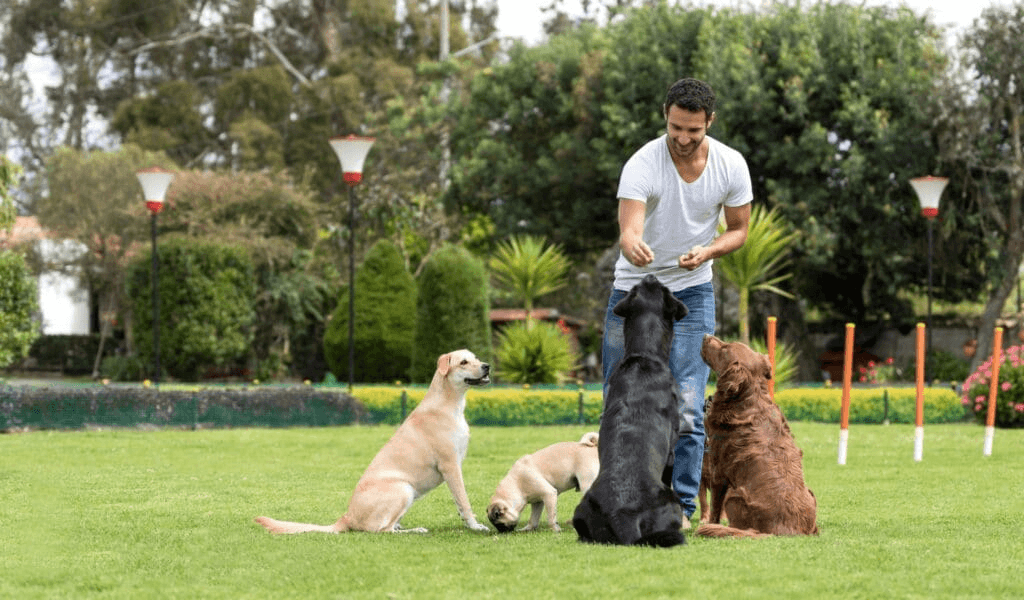
Not all dogs enjoy being around other dogs, and that is completely normal. Socialization is not about making every dog friendly with everyone. It is about helping dogs feel safe and comfortable in their environment.
A dog’s behavior is shaped by genetics, early experiences, and life events. Puppies have a short learning window early in life when positive experiences with people and other dogs help build confidence. If this stage is missed or if a dog experiences fear or trauma, they may struggle socially later on.
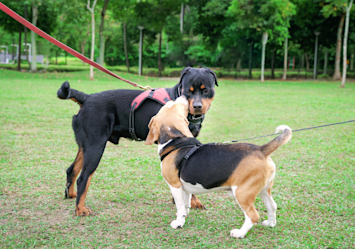
There are many reasons a dog may avoid other dogs. Some dogs did not meet many other dogs as puppies, so unfamiliar dogs feel scary. Others may have had one bad experience that changed how they feel forever. Genetics also matter. Some dogs are naturally more cautious or independent.
Pain is another important factor. Dogs with joint pain, dental issues, or other health problems may act defensive because they are uncomfortable. Owner behavior also plays a role. When dogs do not feel protected, they may use barking or snapping to create space.
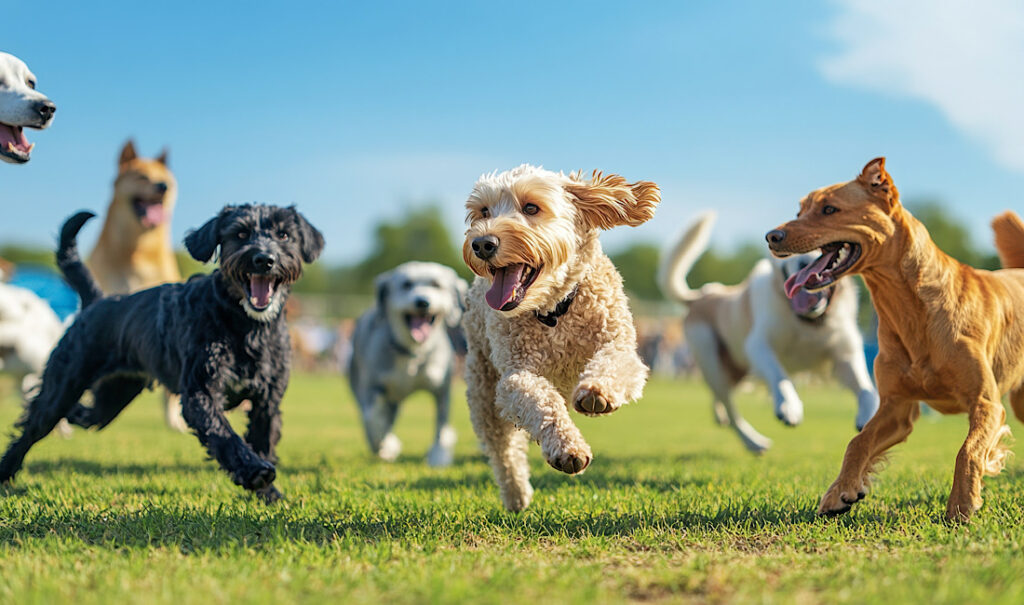
Adult dogs can learn to cope, but progress is slow and should never be rushed. The goal is not friendship but calm behavior.
Every dog has a comfort distance. This is how close another dog can be before stress begins. Training should always happen before that point. Once a dog is barking or lunging, learning stops.
When your dog sees another dog and immediately gets a treat, their feelings slowly change. Over time, other dogs stop feeling scary and start predicting something good. Timing is important. Treats must come early.
Dog parks often make fear and anxiety worse. They are noisy, crowded, and unpredictable. Fearful dogs can feel trapped and overwhelmed. A better option is calm, controlled walks with another dog at a safe distance. This allows dogs to relax and build confidence without pressure.

If a dog’s behavior feels unsafe or unmanageable, professional help is important. Trainers who specialize in reactive dogs or veterinary behaviorists can guide the process safely.Safety tools such as short leashes and basket muzzles protect both dogs and people. These tools are not punishments. They are safety measures.

Not all dogs want dog friends. Many dogs are selective or prefer being neutral around others, especially as they grow older. Success is not playing with strangers. Success is walking calmly, feeling safe, and trusting their owner. Respecting a dog’s boundaries is often the kindest choice.
Dog socialization is about safety, not forcing interaction. With patience, understanding, and gentle training, most dogs can learn to feel calmer and more confident. A happy dog is not one that loves every dog, but one that feels secure and supported.


 Boarding House
 Pet Events
 Pet Cafe
 More
More My Account
 Blogs
Blogs Online Consultation
 Contact Us
 About Us
 Log Out

