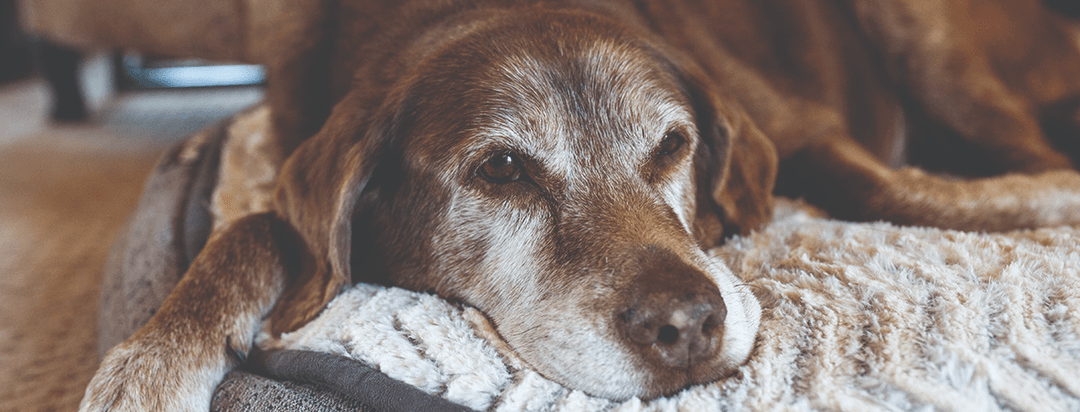
As dogs grow older, their bodies go through many changes, just like humans do. While aging is a natural part of life, senior dogs are more likely to develop health problems that can affect their comfort and daily routines. Understanding these common issues helps pet owners notice early signs and provide better care, allowing dogs to enjoy their golden years with dignity and happiness.
There is no single age when all dogs become seniors. Smaller breeds tend to live longer and usually reach their senior years around 10 to 12 years of age. Medium-sized dogs are often considered seniors between 7 and 9 years, while large and giant breeds may show signs of aging as early as 5 or 6 years. This stage of life often means more frequent veterinary visits and closer observation at home.
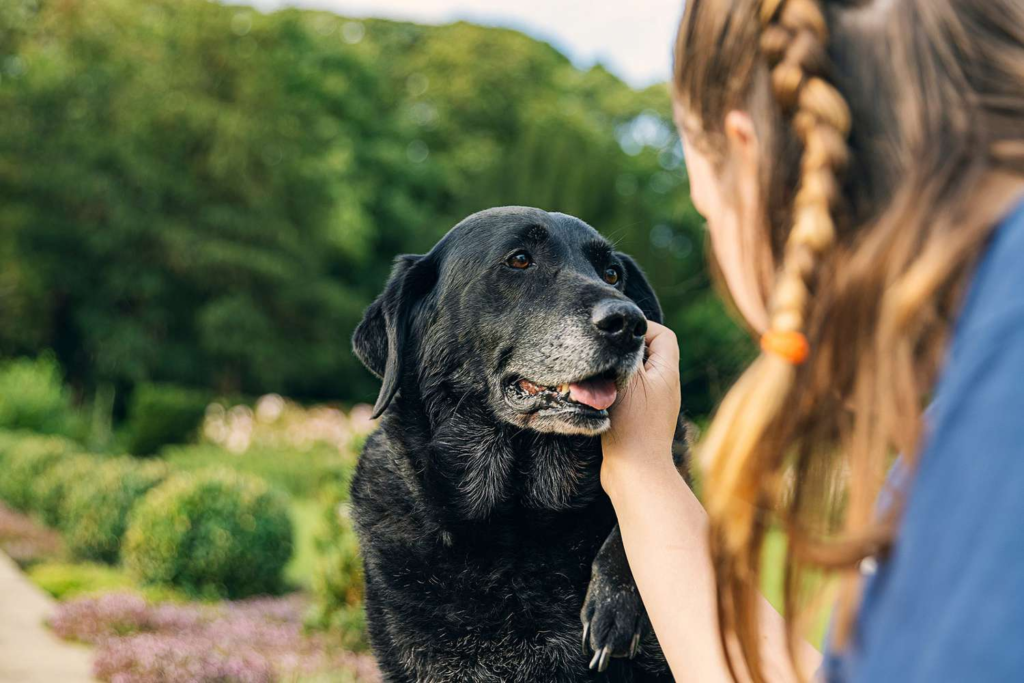
One of the most common health issues in senior dogs is joint pain. Over time, joints wear down, leading to stiffness, soreness, and difficulty moving. You may notice your dog limping, taking longer to stand up, or avoiding stairs and jumping.
Arthritis is especially common in older dogs. While it cannot be cured, it can be managed effectively. Maintaining a healthy weight reduces stress on joints, and gentle daily exercise helps keep muscles strong. Many dogs benefit from pain relief medication, joint supplements, and supportive home changes such as soft bedding, non-slip floors, and ramps.
As dogs age, some experience changes in memory and behavior. This can include confusion, pacing at night, accidents in the house, or less interest in playing and social interaction. These changes can be upsetting for both dogs and their families, but they are often manageable.
Keeping a consistent daily routine helps reduce anxiety. Mental stimulation, such as puzzle toys and short training sessions, can support brain health. In some cases, special diets or medications prescribed by a veterinarian may help slow mental decline and improve quality of life.
Many senior dogs experience reduced vision or hearing. Cloudy eyes, bumping into furniture, or hesitation in dim light may indicate vision problems. Hearing loss may show up as not responding to their name or being startled easily.
Most dogs adapt well to sensory changes when their environment stays familiar. Avoid rearranging furniture, use night lights, and approach your dog gently. Hand signals and visual cues can replace verbal commands for dogs with hearing loss, helping them feel safe and confident.

Internal organs also become less efficient with age. Kidney problems are common in senior dogs and may cause increased thirst, frequent urination, weight loss, or poor appetite. Because early signs can be subtle, regular check-ups and blood tests are important.
Heart disease is another concern, especially in older dogs. Symptoms may include coughing, tiredness, difficulty breathing, or reduced ability to exercise. While heart conditions cannot always be cured, many dogs live comfortably for years with proper medication, diet adjustments, and regular monitoring.
Cancer becomes more common as dogs age. It can appear in many forms, including lumps under the skin, unexplained weight loss, ongoing tiredness, or changes in eating habits. Not all lumps are cancer, but any new or changing growth should be checked by a veterinarian.
Treatment options depend on the type and stage of cancer and may include surgery, medication, or comfort-focused care. Early detection often improves outcomes and helps maintain a good quality of life.
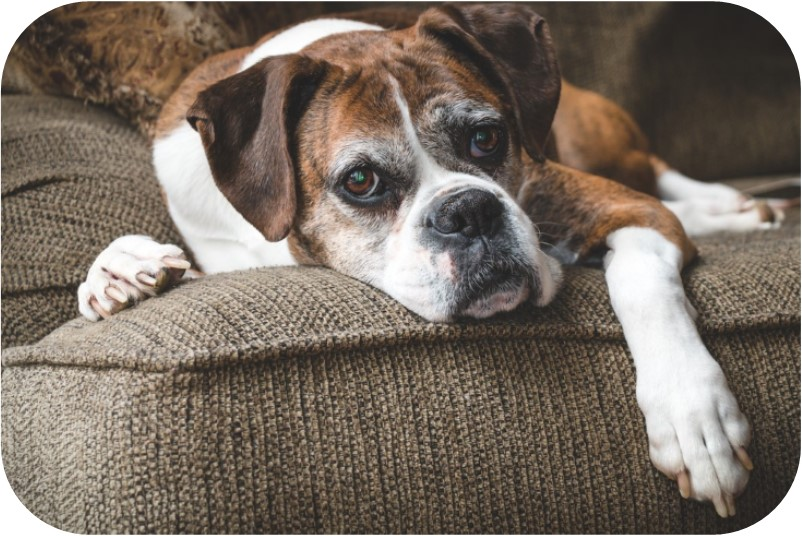
Senior dogs may develop hormone-related conditions that affect energy levels, weight, and overall health. Some dogs become less active, gain weight easily, or develop skin and coat changes. Others may drink more water and urinate more often.
These conditions are usually manageable with daily medication, dietary changes, and routine monitoring. With proper treatment, many dogs continue to lead normal, happy lives.
Dental disease is extremely common in older dogs and is often overlooked. Signs include bad breath, red or bleeding gums, loose teeth, and difficulty eating. Dental infections can be painful and may affect major organs if left untreated.
Regular dental cleanings, at-home tooth brushing, and dental treats can greatly improve oral health and overall well-being.
Caring for a senior dog requires patience, observation, and compassion. Regular veterinary visits, a balanced diet, gentle exercise, and mental stimulation all play important roles in healthy aging. Most importantly, paying attention to small changes in behavior or routine can help catch problems early.
With the right care and a loving home, senior dogs can continue to enjoy their lives, offering the same loyalty and affection they have given throughout the years. Aging may slow them down, but it does not diminish their need for comfort, companionship, and care.


 Boarding House
 Pet Events
 Pet Cafe
 More
More My Account
 Blogs
Blogs Online Consultation
 Contact Us
 About Us
 Log Out

