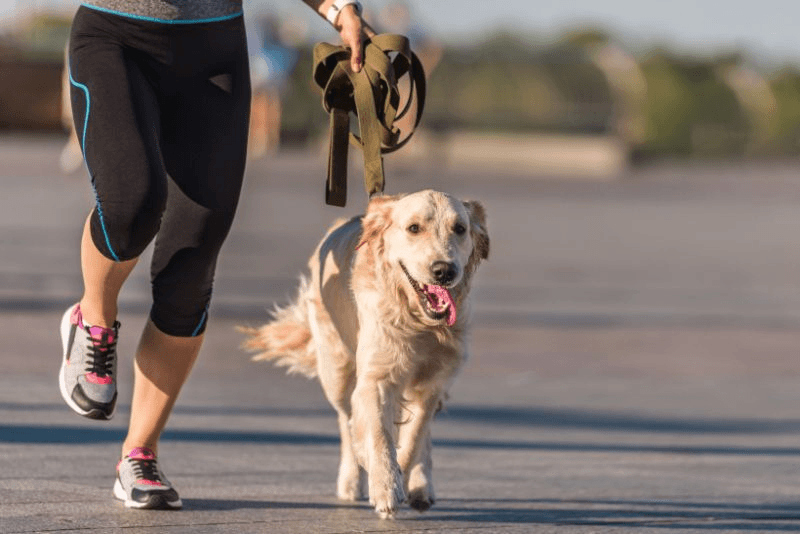
Keeping your dog active is not just about burning energy. It is one of the most important ways to support their physical health, mental wellbeing, and overall happiness. Dogs that do not get enough exercise are more likely to develop obesity, joint problems, and behavioral issues such as chewing, barking, or restlessness. The good news is that with the right mix of activities, exercise can be fun, safe, and deeply enriching for both you and your dog.
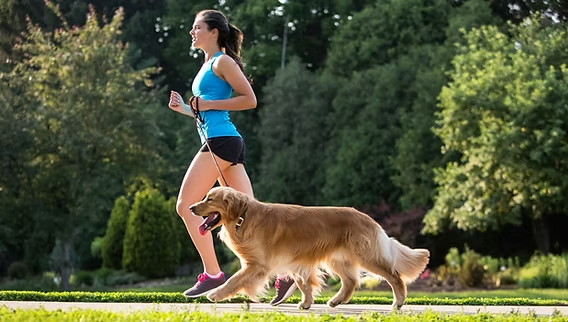
Regular exercise helps dogs maintain a healthy weight, strengthens muscles and joints, and supports heart health. Just as importantly, it provides mental stimulation. Many unwanted behaviors stem from boredom rather than poor training. Activities that challenge your dog’s brain, such as scent games or puzzle toys, help reduce stress and promote calm, balanced behavior.

Not all dogs need the same amount or type of activity. Factors such as breed, age, and health status play a major role.
High energy breeds like Border Collies, German Shepherds, and Labrador Retrievers thrive on daily physical challenges and often need sixty to ninety minutes of active exercise. These dogs enjoy running, fetching, hiking, and structured play. In contrast, flat faced breeds such as Bulldogs and Pugs require shorter and lower intensity sessions. Because they can overheat easily and have breathing limitations, gentle walks and indoor games are safer options.
Young dogs are full of energy, but their growing bodies need protection. High impact activities such as long runs or repeated jumping should be avoided until their growth plates fully close. Short play sessions, basic training, and gentle walks are ideal. Older dogs still need movement, but the focus should shift toward comfort and joint support. Low impact activities such as slow walks, swimming, or scent based games help maintain mobility without causing strain.

Hiking provides more benefits than walking on flat pavement. Uneven terrain improves balance, coordination, and confidence while offering rich mental stimulation. Always bring water, check for ticks afterward, and adjust distance based on your dog’s fitness level.
Swimming is one of the best full body exercises for dogs. It is gentle on joints while offering excellent cardiovascular benefits, making it especially helpful for senior dogs or those recovering from injury. Many dogs also find water play calming and enjoyable.
Fetch satisfies a dog’s natural urge to chase and retrieve. Use soft, dog safe toys and allow frequent breaks to prevent exhaustion. Changing throwing distance or adding basic obedience commands can increase both physical and mental engagement.
When outdoor time is limited, indoor activities can still be highly effective.
A dog’s sense of smell is extremely powerful, and scent based games are deeply rewarding. Hiding treats around the house or using a snuffle mat encourages natural foraging behavior and provides intense mental stimulation.
You do not need special equipment to build an agility course. Chairs, boxes, broomsticks, and water bottles can be used to create tunnels, jumps, and weave paths. These activities improve coordination, reinforce training cues, and strengthen the bond between dog and owner.
Puzzle toys encourage dogs to work for their food, keeping them mentally engaged. This approach reduces boredom and anxiety while turning mealtime into an enriching activity rather than a passive routine.
Dogs regulate heat less efficiently than humans, making overheating a serious risk. Watch for warning signs such as heavy panting, excessive drooling, dark gums, or lethargy. In colder months, clean paws after walks to remove salt or ice melting chemicals that may cause irritation.
Experts often compare dogs to energetic toddlers. Too little activity leads to restlessness, while too much can cause overstimulation. Balance active play with calm recovery time such as chewing, resting, or quiet companionship.
Exercise plays a vital role in a dog’s physical health, emotional balance, and behavior. When activities are chosen based on breed, age, and physical ability, dogs are more likely to remain healthy, confident, and content. With consistency and safety in mind, exercise becomes a powerful tool for lifelong wellbeing and a stronger human dog bond.


 Boarding House
 Pet Events
 Pet Cafe
 More
More My Account
 Blogs
Blogs Online Consultation
 Contact Us
 About Us
 Log Out

