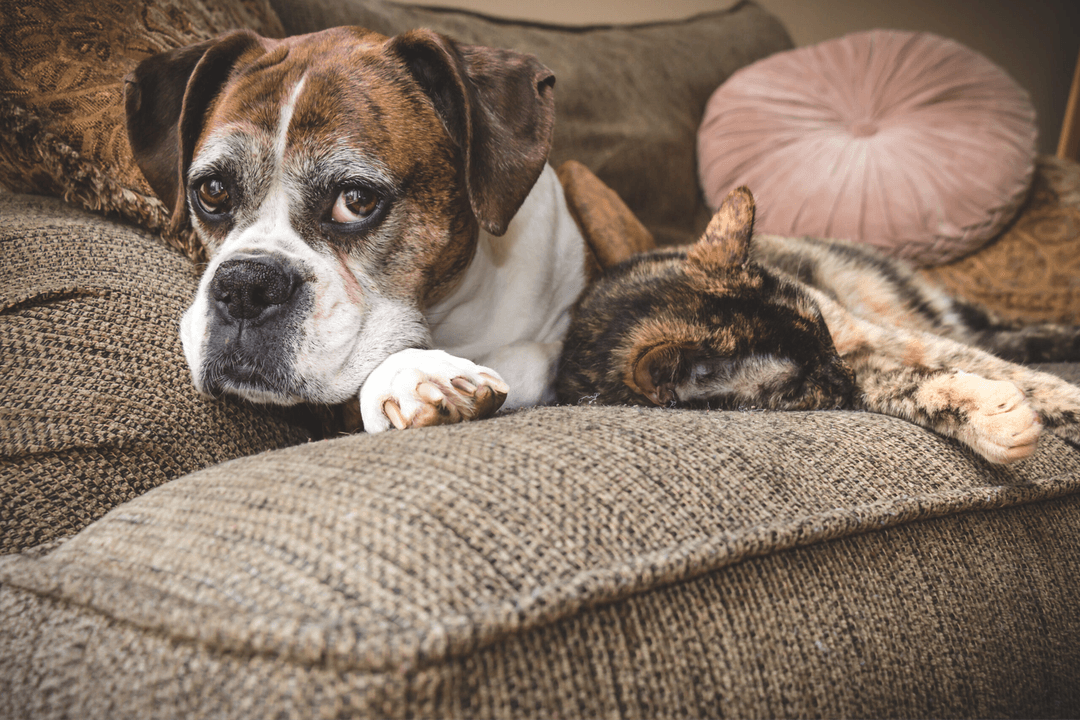
Caring for senior pets is a rewarding experience that requires small but thoughtful adjustments to their daily routine. As pets grow older, their physical and mental needs change. With proper care, attention, and love, senior pets can continue to enjoy a comfortable, active, and happy life.

Senior pets should visit the veterinarian at least twice a year. These regular checkups help detect age-related health problems such as arthritis, heart disease, kidney issues, or diabetes at an early stage. Early diagnosis allows for better treatment and helps maintain a good quality of life. During visits, the vet may check weight, mobility, organ function, and update vaccinations if needed.

Older pets need a balanced diet that supports their changing bodies. Senior pet food is usually lower in calories to prevent weight gain but rich in essential nutrients to support joint health, digestion, and immunity. Supplements such as omega-3 fatty acids or glucosamine may be helpful if recommended by a veterinarian. Fresh water should always be available, and wet food can help improve hydration.

Exercise is still important for senior pets, but it should be gentle and adapted to their abilities. Short walks, light play, or swimming help maintain muscle strength, flexibility, and a healthy weight. Physical activity also supports mental health. Always watch for signs of fatigue or discomfort and adjust activity levels accordingly.

A senior-friendly home makes daily life easier and safer. Soft bedding helps relieve joint pain, while ramps or steps reduce strain from jumping. Non-slip floors prevent falls, and raised food and water bowls can improve comfort during meals. A quiet, warm resting area allows senior pets to relax and recover.

Mental stimulation is essential for aging pets. Puzzle toys, scent games, gentle training, or interactive play can help keep their minds sharp and prevent boredom. Spending quality time together also strengthens emotional bonds and helps reduce anxiety.

Pay close attention to changes in your pet’s behavior, appetite, movement, or bathroom habits. Signs such as limping, increased thirst, confusion, or accidents indoors may indicate health problems and should be discussed with a veterinarian promptly. Consistent routines and extra patience help senior pets feel secure.

Dental health is often overlooked but very important for senior pets. Regular dental checkups, professional cleanings, and at-home care like brushing or dental chews help prevent pain and infection. Bad breath or difficulty eating may signal dental issues that need attention.
In conclusion, caring for senior pets requires thoughtful adjustments to support their changing physical and emotional needs. Regular veterinary care, proper nutrition, gentle exercise, and mental stimulation play a vital role in maintaining their health and activity levels. With patience, comfort, and love, senior pets can enjoy a happy and fulfilling life in their golden years.


 Boarding House
 Pet Events
 Pet Cafe
 More
More My Account
 Blogs
Blogs Online Consultation
 Contact Us
 About Us
 Log Out

