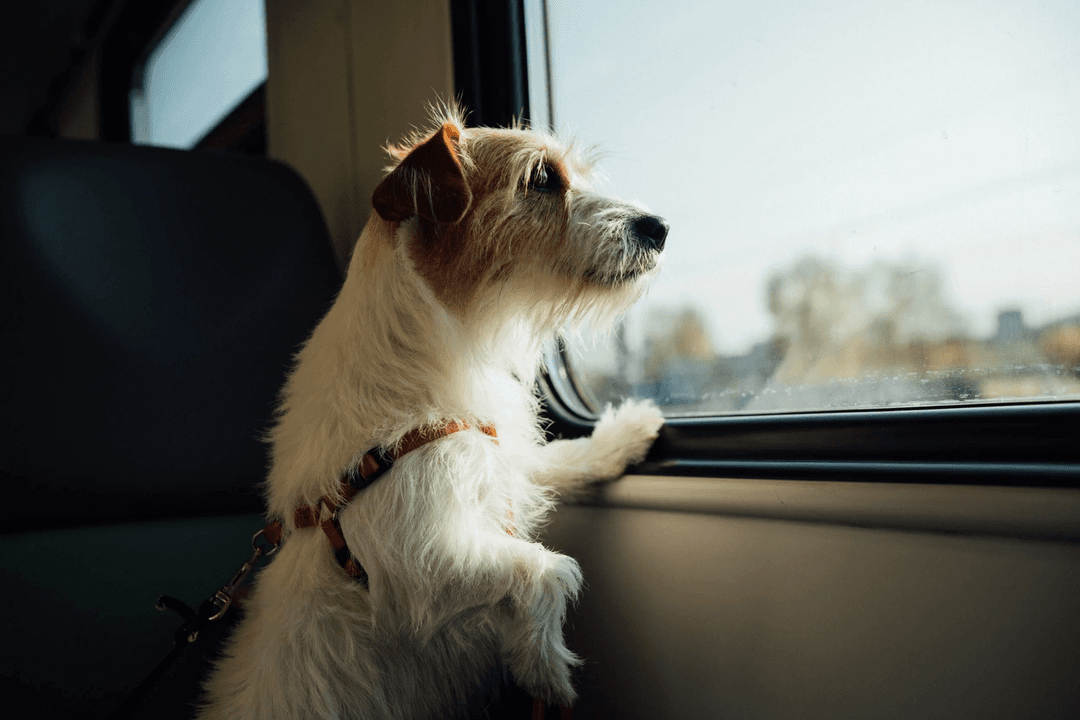
Traveling with a canine companion can be one of life’s greatest joys. Yet for many dogs, the transition from the living room to the vehicle becomes a source of profound distress. Travel anxiety is a multifaceted condition that may stem from past trauma, sensory overload, or physiological issues such as motion sickness. Understanding the behavioral science behind these reactions is the first step toward transforming a fearful pup into a confident traveler.

To effectively treat travel anxiety, owners must first distinguish between psychological fear and physiological distress. Many dogs experience true motion sickness, often linked to the inner ear’s vestibular system, which may not be fully developed in puppies. When a dog feels physically ill, it quickly forms a negative classical conditioning association with the vehicle.
Beyond physical sickness, anxiety can also arise from a lack of predictability. Dogs thrive on routine, and the sudden shift in balance, engine noise, and blurred scenery can trigger a fight-or-flight response. If a dog’s only car rides are to stressful destinations like the veterinarian or groomer, the car itself becomes a reliable predictor of unpleasant experiences.

The gold standard for treating travel-related fear is combining desensitization (gradual exposure) with counterconditioning (changing the emotional response). This process requires patience and should always move at the dog’s individual pace.
Creating a den-like space inside the vehicle can significantly reduce a dog’s stress hormones during travel.

If training alone does not fully resolve travel anxiety, additional support may help.
For extended trips, maintaining a consistent schedule is essential. Plan potty and stretch breaks every two to three hours so the dog can decompress physically and mentally through sniffing and movement.
Avoid feeding a large meal right before departure, since a lighter stomach generally reduces the chance of motion sickness. By combining environmental adjustments, gradual training, and medical support when needed, most dogs can eventually learn to tolerate — and sometimes even enjoy traveling by car.


 Boarding House
 Pet Events
 Pet Cafe
 More
More My Account
 Blogs
Blogs Online Consultation
 Contact Us
 About Us
 Log Out

