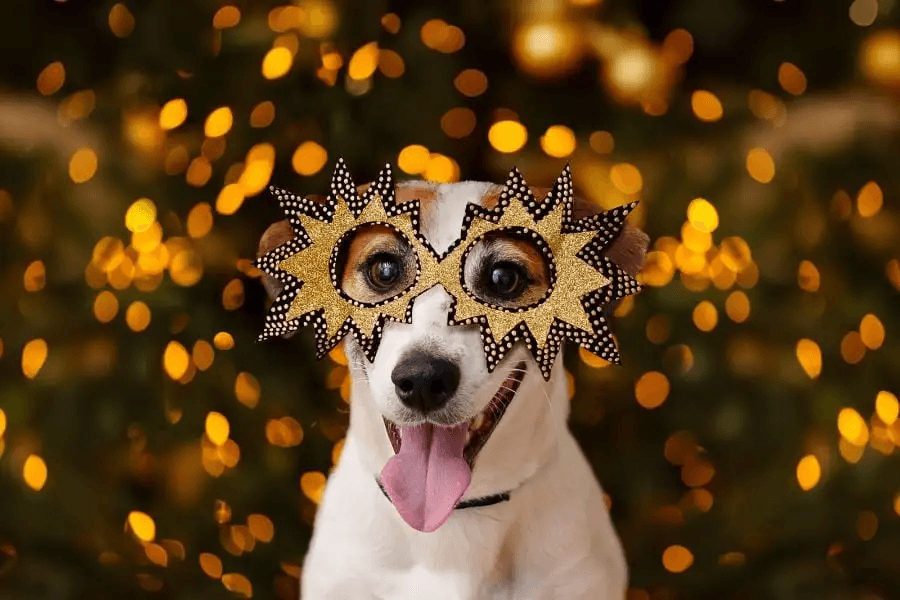
New Year’s Eve is a time of celebration, fireworks, and excitement for people, but for many dogs, it can be one of the most stressful nights of the year. Loud noises, flashing lights, unfamiliar smells, and changes in routine can cause fear and anxiety in dogs. Because dogs have much more sensitive hearing than humans, fireworks can feel overwhelming and frightening. With proper preparation and understanding, you can help your dog feel safe, secure, and calm while you welcome the New Year together.

Dogs experience the world very differently than humans, especially when it comes to sound. Fireworks are loud, sudden, and unpredictable, which can trigger a dog’s natural fear response. Common signs of anxiety include shaking, hiding, barking, pacing, panting, or trying to escape. Many dogs go missing on New Year’s Eve because they run away in fear, making this night particularly risky for pets. Understanding your dog’s emotional response is the first step toward helping them cope.

Set up a quiet, cozy area where your dog can retreat when the noise begins. This can be a separate room, a crate, or their favorite sleeping spot with blankets and familiar items. Close windows and curtains to reduce noise and flashing lights. Playing soft music, white noise, or leaving the television on can help mask the sound of fireworks and create a calming atmosphere.
Give your dog a long walk or active play session earlier in the day. Physical activity helps release excess energy and makes it easier for them to relax later. Make sure your dog has a potty break in the early evening before fireworks start, as they may be too scared to go outside later at night.
Keeping your dog mentally engaged can help take their focus off the noise. Puzzle toys, interactive feeders, or long lasting chews are great options. Treat filled toys or a new chew can keep them occupied and reduce anxiety during loud moments.
Dogs feel more secure when their routine stays consistent. Try to feed and walk your dog at normal times. Just as important, remain calm yourself. Dogs are very sensitive to human emotions. Speaking softly, offering gentle pets, and acting relaxed helps reassure your dog that they are safe.
Some dogs benefit from calming aids such as pheromone diffusers, calming sprays, or anxiety wraps that apply gentle pressure. These tools can help reduce stress, especially for dogs with noise sensitivity. Always consult your veterinarian before using supplements or medications for anxiety.
Even normally calm dogs can panic during fireworks. Keep your dog indoors and ensure all doors, gates, and windows are securely closed. Make sure your dog is wearing a collar with up to date identification and that their microchip information is current, just in case they escape.
If you are hosting a New Year’s Eve gathering, keep your dog away from loud music, crowds, and unfamiliar guests. A quiet room with their safe space is often the best option. Remind guests not to feed your dog human food, as many foods and drinks can be harmful to pets.
New Year’s Eve does not have to be frightening for your dog. With a little preparation, patience, and understanding, you can turn a stressful night into a calm and manageable experience. By creating a safe environment, keeping routines steady, and offering comfort and reassurance, you help your dog feel protected and loved. As the New Year begins, your care and attention set the tone for a happy, healthy, and peaceful year ahead.


 Boarding House
 Pet Events
 Pet Cafe
 More
More My Account
 Blogs
Blogs Online Consultation
 Contact Us
 About Us
 Log Out

