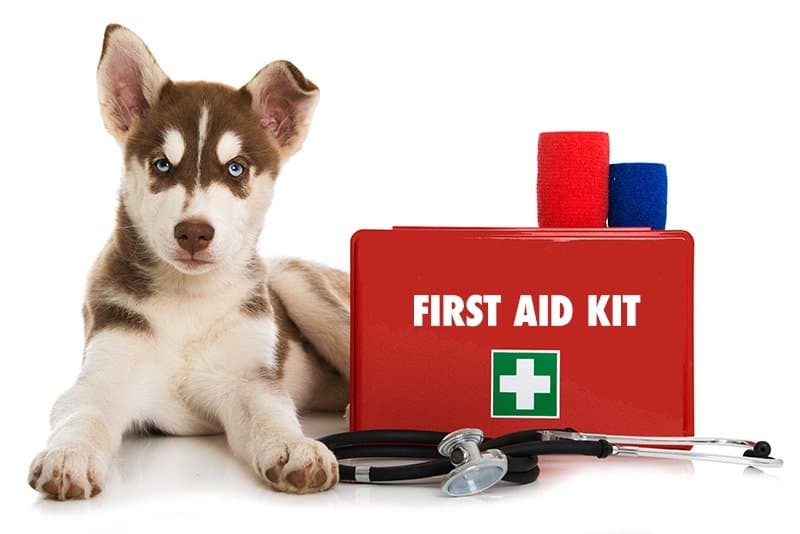
As caring pet parents, we always want to protect our pets from harm. Whether you have a playful dog, a curious cat, or another animal companion, accidents can happen anytime. A sudden cut, insect bite, or minor injury can quickly become serious if left untreated. That’s why having a pet first-aid kit at home and, ideally, in your car is one of the smartest ways to stay prepared.
Pet first aid means giving quick, basic care to your pet when they’re hurt or sick before a veterinarian can take over. It’s not a replacement for professional treatment, but it can make a big difference. By acting calmly and promptly, you can reduce pain, prevent infection, and even save your pet’s life in an emergency.
The main goals of pet first aid are:

Your kit should be easy to find, neatly arranged, and checked regularly for expired or missing items. It’s best to store everything in a waterproof box or sturdy bag that you can grab quickly in an emergency.
Pets often get scrapes, cuts, or small punctures during play or walks. Properly cleaning and covering these wounds prevents infection and speeds healing. Every kit should include:
Some basic over-the-counter items can help you manage small problems before reaching the vet. Keep a triple antibiotic ointment (without painkillers) to prevent infection in small cuts. Styptic powder or a styptic pencil helps stop bleeding from nails cut too short.
For mild allergies, your vet may allow diphenhydramine (antihistamine) but only under their advice. Activated charcoal can be used in poisoning cases only if your vet tells you to.
You don’t have to be a vet to check your pet’s condition. A few simple tools can help:
Even calm pets can become scared or aggressive when in pain. These tools keep both of you safe:
A few other items make it easier to handle emergencies:
Keep a laminated card with your vet’s phone number, nearest 24-hour animal hospital, and a poison control hotline. Store copies of your pet’s medical and vaccination records. Add clean towels or washcloths, a water bottle and small bowl, a pill splitter or crusher, and sterile eye wash solution.
Check it every few months to make sure nothing has expired or is missing. Replace used or damaged items right away. Once a year, clean and restock the kit. Keep it in a cool, dry place that’s easy to reach but out of children’s and pets’ reach.
A pet first aid kit helps you stay calm and act quickly when your pet is hurt or sick. It can’t replace professional veterinary care, but it can make your pet more comfortable and prevent problems from getting worse.
When you’re unsure what to do, always call your vet or an emergency clinic. Being prepared means you can help your furry friend when they need you most.


 Boarding House
 Pet Events
 Pet Cafe
 More
More My Account
 Blogs
Blogs Online Consultation
 Contact Us
 About Us
 Log Out

