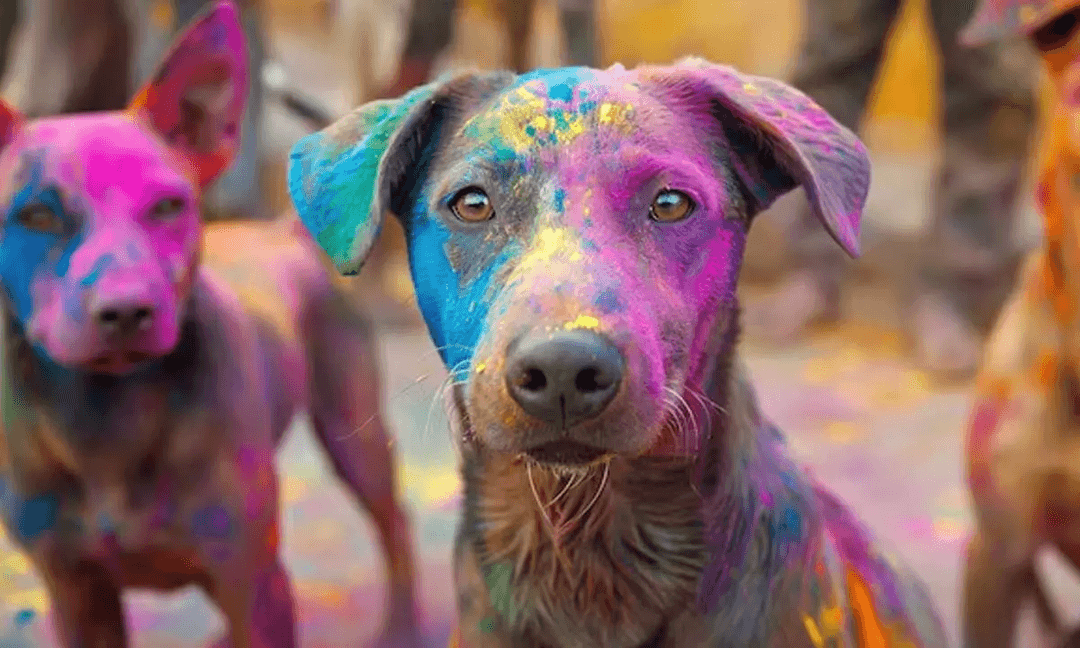
Holi, the festival of colors, is a joyous occasion celebrated with vibrant powders, water splashes, and lively gatherings. However, if you're a pet owner, you may understandably feel concerned about your furry friend’s safety during the celebrations. Curious pets often explore with their mouths, which raises an important question: what happens if your pet accidentally ingests Holi colors? In this blog, we’ll discuss the potential risks, what steps to take if your pet eats Holi colors, and how to prevent such situations to ensure a safe and happy celebration for everyone.

Holi colors generally fall into two categories: natural and synthetic. Natural colors are traditionally made from flowers, herbs, turmeric, beetroot, or other plant-based ingredients. These are typically safer but can still cause mild stomach upset if consumed in large amounts. Synthetic colors, on the other hand, may contain chemical dyes, heavy metals, artificial fragrances, and other potentially harmful substances. These ingredients can be irritating to your pet’s skin, eyes, and digestive system, and in significant quantities, some may even be toxic.
Ingesting Holi colors can lead to gastrointestinal upset, allergic reactions, and skin irritation. In more serious cases involving synthetic dyes, pets may experience poisoning symptoms that require urgent veterinary attention. This is why understanding the type of color involved is so important.
If your pet has consumed Holi colors, symptoms may appear within a few hours. Gastrointestinal distress is one of the most common reactions. You may notice vomiting, diarrhea, drooling, or a sudden loss of appetite. Some pets may also become lethargic, unusually tired, or less responsive than normal, which can signal discomfort or distress.
Skin irritation is another common issue, particularly around the mouth, paws, or areas that came into contact with the color. Redness, rashes, itching, or excessive scratching may occur. Additionally, if your pet begins drinking significantly more water than usual, it could indicate digestive irritation or mild dehydration. Any of these signs should be taken seriously.

The first and most important step is to stay calm. Pets can sense panic, and remaining composed will help keep them relaxed. Assess the situation by determining how much color may have been ingested and whether it was natural or synthetic. If possible, take a photo of the packaging so you can provide accurate information to your veterinarian.
Contact your veterinarian promptly for professional guidance. They may advise you to monitor your pet at home if symptoms are mild, or they may recommend bringing your pet in for an examination. It is important not to induce vomiting unless specifically instructed by a veterinarian, as doing so improperly can sometimes cause additional harm.
Carefully monitor your pet’s behavior and physical condition over the next 24 hours. If symptoms worsen such as persistent vomiting, severe diarrhea, extreme lethargy, or difficulty breathing seek immediate veterinary care. Keeping notes about any changes can help your vet provide more effective treatment.

Prevention is always better than treatment. Keep Holi colors stored securely in pet-proof containers and out of your pet’s reach. During celebrations, supervise your pet closely and consider setting up a quiet, safe room away from noise, crowds, and color throwing.
If you are hosting guests, inform them about the potential dangers of Holi colors for pets and kindly request that they avoid throwing colors near your furry companions. You can also prepare a distraction area filled with toys, treats, and familiar bedding to keep your pet comfortable and occupied throughout the festivities.
Many pet owners have shared experiences of their pets accidentally getting into Holi colors. In one instance, a dog was found covered in bright gulal after wandering into a neighborhood celebration. The owner quickly noticed signs of stomach discomfort and immediately consulted a veterinarian, preventing further complications. Stories like these highlight how awareness and prompt action can make all the difference during festive occasions.
Celebrating Holi is a beautiful and meaningful experience, but our pets rely on us to keep them safe. By understanding the risks of Holi colors, recognizing early warning signs, and knowing what steps to take in an emergency, you can protect your pet’s health during the festival. With proper precautions and a little extra vigilance, you can enjoy the vibrant spirit of Holi while ensuring your beloved companions remain safe, comfortable, and happy.


 Boarding House
 Pet Events
 Pet Cafe
 More
More My Account
 Blogs
Blogs Online Consultation
 Contact Us
 About Us
 Log Out

